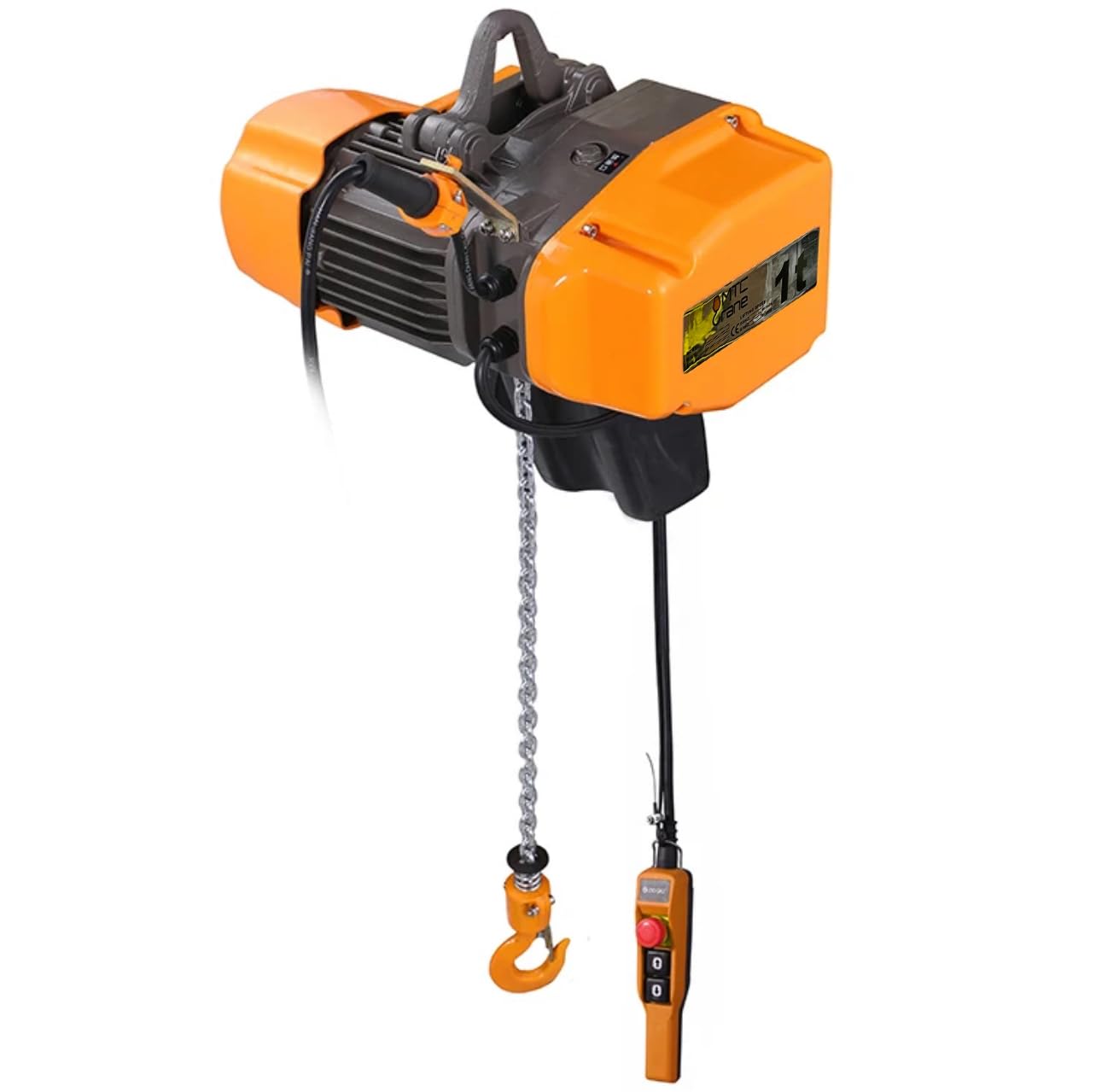

Overhead Crane Inspection Checklist (OSHA 1910.179)
OSHA's overhead and gantry crane standard, 29 CFR 1910.179, sorts inspections of cranes in regular service into two classes based on how fast components wear: frequent inspections, at daily to monthly intervals, and periodic inspections, at 1 to 12-month intervals depending on activity, severity of service and environment. New and altered cranes must also be inspected before first use. OSHA requires written certification records for specific items, including the monthly hook, hoist chain and running rope inspections.
The checklist below follows paragraph (j) of the standard, plus the rope inspection rules in paragraph (m). Use it as a working guide alongside the crane manufacturer's manual and the ASME B30.2 (overhead and gantry cranes) and B30.16 (overhead hoists) standards. It's a summary, not legal advice. Always check the current regulation text.
Frequent inspection (daily to monthly)
Under 1910.179(j)(2), inspect these items for defects at the frequent interval or as listed, and watch for defects during operation between regular inspections. Carefully examine any deficiency and decide whether it's a safety hazard.
- Functional operating mechanisms: check for maladjustment that interferes with proper operation. Daily.
- Air or hydraulic systems: check lines, tanks, valves, drain pumps and other parts for deterioration or leakage. Daily.
- Hooks: check for deformation or cracks. Visual inspection daily; monthly inspection with a certification record that includes the date, the signature of the person who inspected and the hook's serial number or other identifier. Hooks with cracks, more than 15% excess throat opening or more than 10° twist must be handled under 1910.179(l)(3)(iii)(a).
- Hoist chains, including end connections: check for excessive wear, twist, distorted links that interfere with proper function, or stretch beyond the manufacturer's recommendations. Visual inspection daily; monthly inspection with a certification record that includes the date, the inspector's signature and an identifier of the chain.
- Functional operating mechanisms: check for excessive wear of components.
- Rope reeving: check for noncompliance with the manufacturer's recommendations.
Running rope inspection (at least monthly)
Under 1910.179(m)(1), thoroughly inspect all running ropes at least once a month. Keep a certification record on file, where appointed personnel can readily get to it, with the date, the inspector's signature and an identifier for the ropes. Look for conditions that could mean an appreciable loss of strength:
- Reduced rope diameter below nominal, from loss of core support, internal or external corrosion, or wear of outside wires
- Broken outside wires, and how many there are and how concentrated
- Worn outside wires
- Corroded or broken wires at end connections
- Corroded, cracked, bent, worn or improperly applied end connections
- Severe kinking, crushing, cutting or unstranding
Periodic inspection (1 to 12 months)
Under 1910.179(j)(3), periodic inspections are complete inspections of the crane. They include every frequent-inspection item plus the following:
- Deformed, cracked or corroded members
- Loose bolts or rivets
- Cracked or worn sheaves and drums
- Worn, cracked or distorted parts such as pins, bearings, shafts, gears, rollers, and locking and clamping devices
- Excessive wear on brake system parts, linings, pawls and ratchets
- Load, wind and other indicators, checked over their full range for significant inaccuracies
- Gasoline, diesel, electric or other powerplants, for improper performance or noncompliance with safety requirements
- Excessive wear of chain drive sprockets and excessive chain stretch
- Electrical apparatus, for pitting or any deterioration of controller contactors, limit switches and pushbutton stations
Cranes not in regular use
- Idle 1 to 6 months: give it a frequent inspection under (j)(2) and a rope inspection under (m)(2) before putting it back in service.
- Idle over 6 months: give it a complete inspection under (j)(2) and (j)(3) and a rope inspection under (m)(2) before putting it back in service.
- Standby cranes: inspect at least semi-annually under (j)(2) and (m)(2).
Run and record inspections on your phone
Cranewerx Pro lets your team run crane inspection checklists on an iPhone or iPad, attach photos, tag cranes with QR codes and produce dated PDF inspection reports, so your records are in one place when you need them.
Frequently asked questions
How often do overhead cranes have to be inspected under OSHA?
OSHA 1910.179 sets frequent inspections at daily to monthly intervals and periodic inspections at 1 to 12-month intervals, depending on activity, severity of service and environment. Some items, like operating mechanisms and air or hydraulic systems, are specifically listed as daily. Hooks and hoist chains get a daily visual check and a monthly inspection with a certification record.
Does OSHA require an inspection before every shift?
1910.179 doesn't use a "before each shift" requirement. It requires frequent inspections at daily to monthly intervals, with certain items listed as daily, and observation during operation for defects that appear between inspections. Your crane manufacturer or company policy may require pre-shift checks.
What inspection records does OSHA require?
Monthly hook and hoist chain inspections and monthly running rope inspections need certification records with the date, the inspector's signature and an identifier for the hook, chain or rope. Rated load test reports must also be kept on file.
What's the difference between OSHA 1910.179 and ASME B30.2?
OSHA 1910.179 is the federal regulation for overhead and gantry cranes in general industry. ASME B30.2 is the industry consensus standard for overhead and gantry cranes, and ASME B30.16 covers overhead hoists. Many employers and manufacturers follow ASME guidance in addition to the OSHA minimums.